Traumschiff Ex-Stars Erupt: The Controversy Around the New Cast
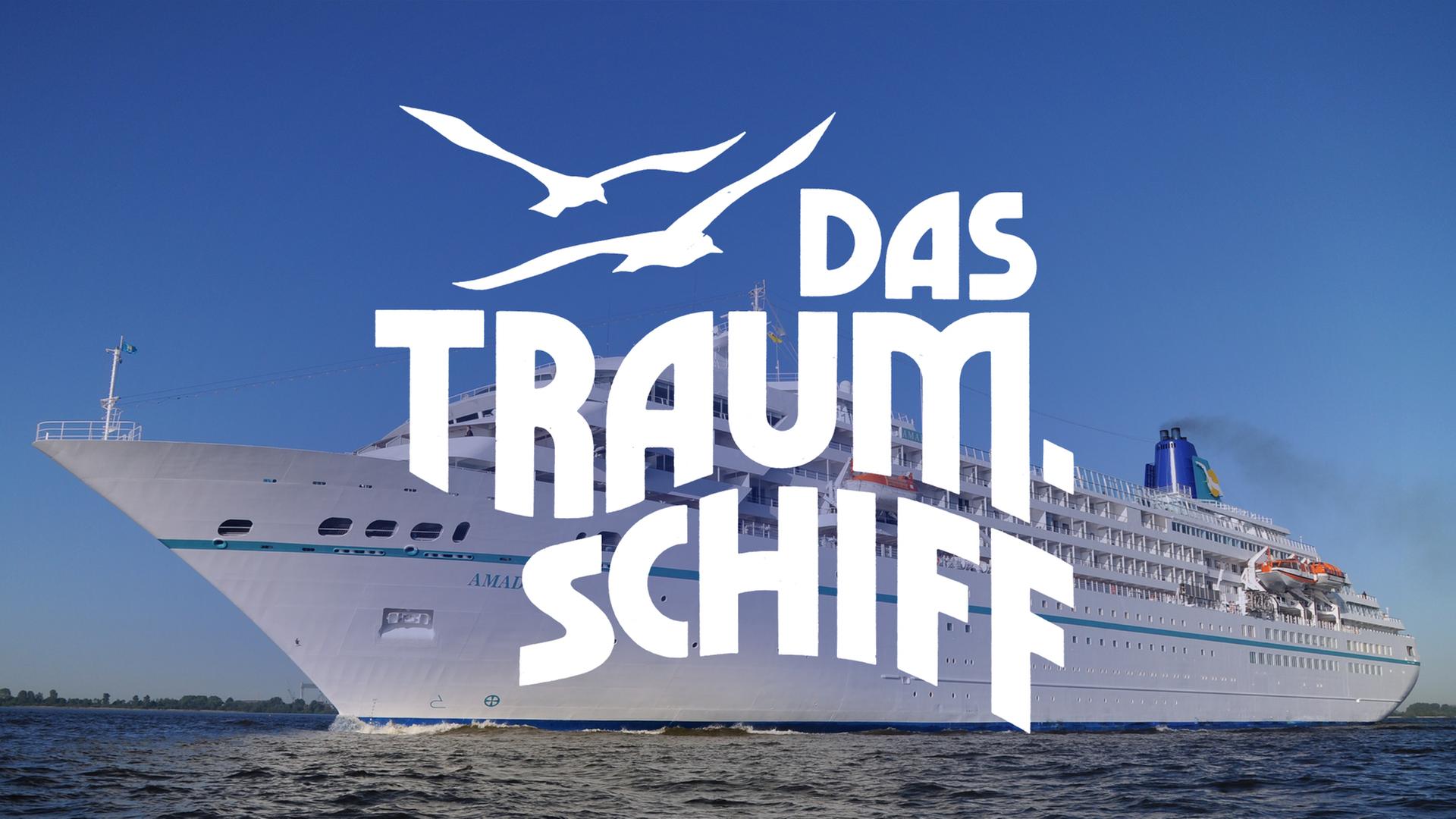
For decades, ZDF's "Das Traumschiff" has been a beloved institution in German television, a comforting voyage into exotic locales filled with romance, drama, and heartwarming human stories. The iconic cruise ship has sailed into the hearts of millions, becoming synonymous with holiday escapism and a particular brand of feel-good entertainment. However, recent changes to the show's direction and, crucially, the Traumschiff Besetzung – the cast – have ignited a storm of controversy, prompting strong reactions from former stars and dedicated fans alike. This isn't just about a few new faces; it's a debate about the very soul and legacy of a cultural phenomenon.
The Shifting Sands of the Traumschiff Besetzung: A Legacy Under Scrutiny
The core of the current friction stems from a palpable shift in the show's creative direction, leading to significant changes in the Traumschiff Besetzung. Veteran actress Gila von Weitershausen, a familiar face from earlier "Traumschiff" voyages, voiced her profound disappointment, articulating a sentiment shared by many of her former colleagues. She lamented the perceived departure from the "origin idea" of "Traumschiff" and expressed a strong desire for more respectful treatment of the enduring legacy left by its visionary creator, Wolfgang Rademann. Rademann meticulously crafted "Das Traumschiff" as a flagship for aspirational escapism, where picturesque backdrops framed poignant human stories, not merely as a vehicle for celebrity promotion or musical interludes.
The most pointed criticism has been directed at the inclusion of Florian Silbereisen as the ship's captain. Silbereisen, primarily known as a prominent Schlager singer and television host, represents a significant departure from the traditional dramatic actors who previously helmed the vessel. Von Weitershausen's quip, "one could just make a Schlager show out of the popular series," encapsulates the concerns perfectly. It suggests that the show risks losing its distinct identity, blurring the lines between a classic drama series and a musical variety program. This sentiment indicates a deep-seated fear among former stars and long-time viewers that the essence of what made "Traumschiff" special – its focus on character-driven narratives and aspirational travel – is being diluted for broader, potentially more commercial, appeal. The debate highlights the delicate balance showrunners must strike when attempting to modernize a beloved, long-running series without alienating its foundational audience and heritage. The question looms: can a show evolve its Traumschiff Besetzung without sacrificing its soul?
Navigating New Waters: The Guest Star Strategy and Its Impact
While the internal changes to the Traumschiff Besetzung draw criticism, "Das Traumschiff" simultaneously continues its tradition of attracting high-profile guest stars, a strategy often employed to generate buzz and maintain viewership. The New Year's Day episode set against the stunning backdrop of Curaçao perfectly exemplified this approach. Beyond the usual dramatic narratives and breathtaking scenery, the episode featured a memorable cameo from bestselling author Hera Lind.
Lind, celebrated for works like "Das Superweib" and "Ein Mann für jede Tonart," appeared as herself in a wonderfully meta and humorous scene. During an outing, she charmingly asked Staff-Kapitän Martin Grimm (played by Daniel Morgenroth) if there was a library nearby, having forgotten her own book. Grimm, ever the accommodating officer, presented her with a copy of "Für immer deine Mutter." Lind's genuine smile and reply, "Danke schön, das kenne ich noch gar nicht," delighted eagle-eyed viewers. This moment was a clever insider joke, a playful nod to her own 2022 novel, "Für immer deine Tochter." This kind of intelligent, self-aware humor, coupled with the allure of a familiar personality, undoubtedly adds a layer of entertainment for the audience. For a deeper dive into this specific guest appearance, you might want to read ZDF-Traumschiff: Inside Hera Lind's Clever Guest Star Cameo.
The Curaçao episode also boasted other well-known personalities such as dancer and TV judge Joachim Llambi and presenter Collien Ulmen-Fernandes. "Das Traumschiff" has long capitalized on presenting famous faces in engaging, often unexpected, roles. This strategy aims to keep the show fresh and appeal to a broader demographic, drawing in viewers who might tune in specifically for a particular celebrity. However, this reliance on prominent guest stars, while effective for short-term engagement, raises a pertinent question: is the show prioritizing the spectacle of celebrity over the integrity of its core storytelling and the traditional dramatic performances expected from its long-term Traumschiff Besetzung? It's a fine line between enhancing the experience and potentially overshadowing the central narrative with too many high-wattage diversions.
The Heart of the Matter: Authenticity vs. Commercial Appeal
At the core of the "Traumschiff" controversy lies a tension prevalent across many long-running television series: the struggle between maintaining authenticity and embracing commercial appeal. For its original fans and former stars, "Das Traumschiff" represented a specific genre – gentle, aspirational drama set against exotic backdrops, focusing on human connections and lighthearted adventures. Authenticity, in this context, implies adherence to that established tone and storytelling philosophy. The show's appeal was in its consistent delivery of a particular kind of escapism, a reliable formula that resonated with its loyal audience.
However, in an increasingly fragmented media landscape, showrunners are under immense pressure to attract new viewers and ensure the show's continued relevance and funding. This often means experimenting with the Traumschiff Besetzung and integrating elements that appeal to a younger or different demographic. The inclusion of Florian Silbereisen, a highly popular figure in German entertainment, is undoubtedly a move calculated for broader commercial appeal. His large fan base likely brings new eyes to the series, but at what cost to the show's perceived authenticity?
The "Schlager show" criticism highlights this trade-off. If the show becomes too focused on celebrity stunts or musical performances, it risks losing its dramatic gravitas and the very charm that endeared it to generations. The challenge for the "Traumschiff" production team is to innovate without alienating. They must find ways to keep the series fresh and engaging for new audiences while still honoring the legacy of Wolfgang Rademann and the expectations of its deeply committed fan base. It's a delicate balancing act, and the current backlash suggests that, for some, the scales have tipped too far towards commercialization. Is the new direction hurting its legacy? This question is explored further in Traumschiff's Direction: Are New Cast Choices Hurting Its Legacy?
Looking Ahead: What's Next for the Traumschiff Besetzung?
The future of "Das Traumschiff" and its evolving Traumschiff Besetzung remains a topic of intense discussion. As with any long-running series, adaptation is inevitable, but the current debate underscores the importance of thoughtful, measured change. For showrunners, the challenge lies in understanding the core values that have sustained "Traumschiff" for so long while introducing elements that keep it vibrant and relevant for contemporary audiences.
One potential path forward could involve a recalibration. While guest stars and prominent personalities can add flair, ensuring their integration serves the story, rather than overshadowing it, is crucial. Perhaps future casting decisions for the main Traumschiff Besetzung could lean towards actors who embody the traditional dramatic essence of the show while still possessing contemporary appeal. Engaging directly with fan feedback, perhaps through social media polls or dedicated forums, could also provide invaluable insights into what viewers truly desire from their beloved "Traumschiff."
For fans, embracing change can be difficult, but there are ways to navigate these shifts. Focus on the stunning cinematography and exotic locations that remain a constant draw. Appreciate the individual dramatic storylines that still form the backbone of each episode. Ultimately, "Das Traumschiff" remains a unique part of German television history, and its ongoing evolution, while controversial, reflects the dynamic nature of entertainment itself. The hope is that it can continue to sail smoothly into the future, harmonizing its cherished past with necessary innovations.
The controversy surrounding the "Traumschiff Besetzung" is more than just a passing squabble; it's a critical discussion about the identity of a beloved German TV institution. From the pointed criticisms of ex-stars like Gila von Weitershausen, lamenting the perceived shift away from Wolfgang Rademann's original vision, to the strategic inclusion of high-profile guest stars like Hera Lind, the show is clearly at a crossroads. The fundamental tension between preserving the show's authentic, dramatic legacy and embracing a more commercial, celebrity-driven appeal defines its current trajectory. As "Das Traumschiff" continues its voyages, its creators face the delicate task of charting a course that honors its rich history while navigating the demands of modern television, ensuring this iconic vessel can continue to enchant audiences for generations to come.